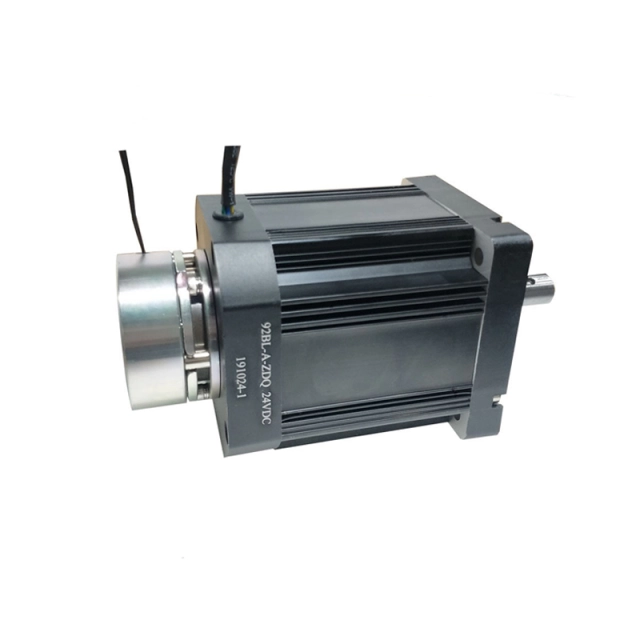
The causes of commutation sparks are varied. It is essential to identify the primary cause among numerous factors to troubleshoot and improve commutation. Methods for checking the causes of commutation deterioration, commonly referred to as commutation condition normalization checks and adjustments, are frequently used in handling DC motor commutation accidents. The principle is as follows:
The Main Reasons for Large Sparks in DC Motors
The causes of commutation sparks are varied. It is essential to identify the primary cause among numerous factors to troubleshoot and improve commutation. Methods for checking the causes of commutation deterioration, commonly referred to as commutation condition normalization checks and adjustments, are frequently used in handling DC motor commutation accidents. The principle is as follows:
If a DC motor initially operates normally in commutation, but gradually deteriorates or suddenly worsens during subsequent operation, it indicates that the sliding contact, motor structure, and the operation of various motor components were normal before the commutation deterioration.
During motor operation, changes in the operating state of certain components or changes in the surrounding environment can disrupt the sliding contact, altering the normal commutation state and leading to commutation deterioration. If these factors affecting motor commutation are comprehensively checked and adjusted to restore them to their original normal state, the commutation will return to normal.
Commutation normalization checks are a common method for locating and troubleshooting commutation problems in DC motors. They include the following main items:
1. Commutator segment resistance measurement
2. Commutator swing measurement
3. Brush neutral plane inspection
4. Pole pitch, brush holder, and air gap inspection and adjustment
5. Brush and brush holder performance check